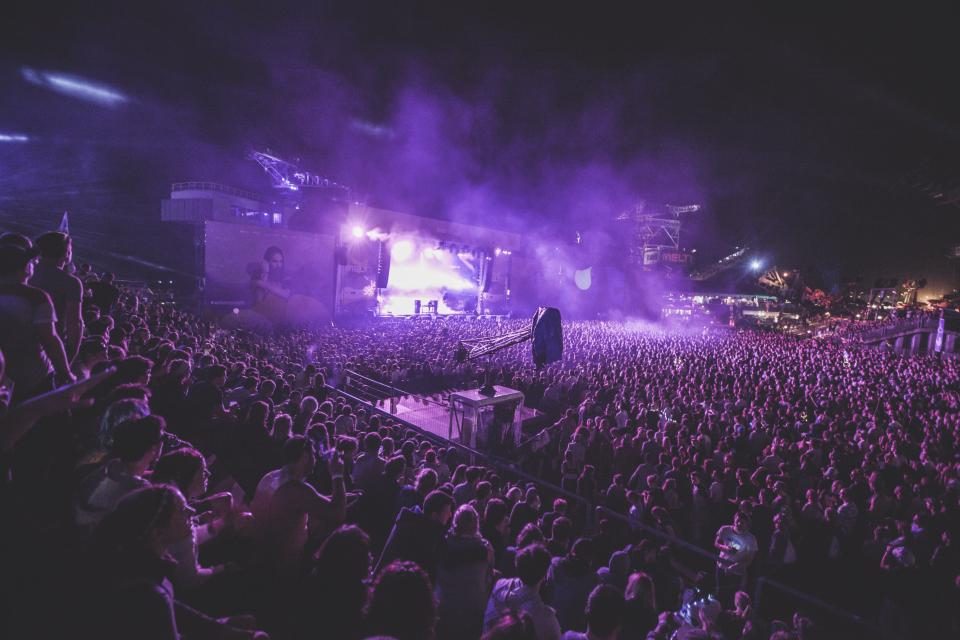
Why WordPress Events Matter: Community, Connection, Giving Back
On the latest Jukebox Podcast from WP Tavern, Nathan Wrigley talks with Cathy Mitchell about why WordPress events and community involvement continue to…
On the latest Jukebox Podcast from WP Tavern, Nathan Wrigley talks with Cathy Mitchell about why WordPress events and community involvement continue to matter — for individuals, businesses, and the future of open source.
Cathy’s journey with WordPress began in 2007 as a hobby during maternity leave. What started as tinkering soon became WPBarista in 2008. Over nearly two decades she’s built experience as a small-business owner and contributor to the WordPress ecosystem. Recently, after helping organize WordCamp Canada, she stepped up to lead the 2026 event and is now deeply involved in shaping its community-focused program.
A defining theme of the conversation is how different the WordPress community feels compared with many corporate or volunteer settings. In Cathy’s experience, WordPress spaces are unusually open: newcomers can jump in, take on meaningful responsibility, and be trusted quickly. That willingness to say “yes” and to support people as they try new roles is, for many, the secret sauce that turns casual users into lifelong contributors.
For Cathy, the community offered a chance to reconnect after life changes. As her children grew up and she found herself with more time, volunteering and organizing became a way to belong, contribute meaningfully, and use skills she enjoys—especially event planning. She describes the sense of camaraderie and shared purpose as energizing: people come together to achieve a focused goal and, along the way, build friendships that combat isolation.
Nathan and Cathy also explore a broader social issue: an increase in loneliness across societies that often coincides with greater digital consumption. They note research and public statements that point to loneliness as a significant public-health concern and discuss how technology, when used primarily for solitary entertainment, can reduce in-person interaction. Against that backdrop, volunteering and attending events function as an antidote — opportunities to be around people, learn, and contribute without transactional expectations.
The conversation touches on why volunteering leads to fulfilment. Two recurring drivers of wellbeing are social connection and altruism. Those who volunteer for WordCamps and community teams often find both. They practice skills, gain experience, and receive immediate social reward from working alongside others, while also contributing to something larger than themselves.
Cathy is candid about what motivates different groups to get involved. For newcomers, contributing can be a way to learn, meet people, and find purpose beyond client work or product development. Non-coding roles—organizing, hospitality, outreach, and teaching—make participation accessible. For business owners and sponsors, motivations are more varied: brand exposure and lead generation matter, but companies also recognize longer-term benefits. Supporting open source helps with hiring, community trust, and ecosystem health; those investments can make recruiting and vetting talent easier because sponsoring companies are visible and trusted within the community.
At the same time, there’s a changing sponsorship landscape. The era of easy growth for WordPress — when the platform’s rising market share and momentum made participation feel like a sure bet — has evolved. Economic uncertainty, heightened competition among products and agencies, and new priorities (including legal and trademark considerations) mean budgets are scrutinized more closely. Sponsors increasingly expect clear returns on investment, and organizers must be mindful about demonstrating value while preserving the community ethos.
Cathy frames current developments as a leveling rather than an outright decline. Many industries scale back after periods of rapid growth; this readjustment can be healthy and lead to more sustainable practices. For WordPress events, it means rethinking how we invite, welcome, and retain both contributors and sponsors.
A major priority for Cathy and many organizers is bringing young people into open source. Initiatives like Campus Connect and offering academic credits for open-source contributions are emerging ways to connect universities and students with projects like WordPress. Introducing students to community work not only supplies new contributors but also helps future-proof the ecosystem by showing young developers and designers the professional and personal benefits of participating in open, collaborative projects.
Cathy believes in the continued importance of open source, especially as AI tools evolve. Open-source projects provide accessible building blocks and transparent datasets that can feed innovation without locking knowledge behind paywalls. For her, the intersection of open source and AI looks promising — provided communities remain healthy and inclusive.
Organizing a multi-day conference like WordCamp Canada highlights how much volunteer coordination and teamwork make polished events possible. From badges and catering to session scheduling and accessibility, the work is extensive, but it’s distributed across many dedicated volunteers. Cathy’s role is to pull those people together, facilitate communication, and make sure tasks are done—roles she finds rewarding because they allow her to contribute in ways that play to her strengths.
The conversation ends on a practical and optimistic note. Cathy encourages readers to get involved: attend local meetups and WordCamps, volunteer in non-coding roles, consider sponsoring with long-term community health in mind, and find ways to bring younger contributors into the fold. These actions matter not only because they sustain WordPress, but because they offer people meaningful social connection and opportunities to grow.
If you want to follow Cathy or learn more about WordCamp Canada, find her at WPBarista or visit canada.wordcamp.org. For more episodes and show notes, head to wptavern.com and search for this interview.
In short: WordPress events do more than teach technical skills. They build relationships, foster wellbeing through service and social connection, and help secure the future of open source by welcoming new contributors. Whether you’re a newcomer, a business considering sponsorship, or someone looking for meaningful ways to spend your time, there are many ways to step in—and the community will usually say yes.
Written by
CodedEthique Staff