Rebuilding Local WordPress Communities After COVID
Nathan Wrigley recently spoke with Simon Pollard on the Jukebox Podcast about how WordPress Meetups and community life changed since COVID and what…
Nathan Wrigley recently spoke with Simon Pollard on the Jukebox Podcast about how WordPress Meetups and community life changed since COVID and what rebuilding them might look like.
Who Simon is
Simon Pollard is a long-time WordPress developer in Bristol who’s worked at Illustrate Digital since early 2020. He helped turn the Bristol WordPress Meetup from an informal pub gathering into an organised, sponsored group with regular attendees, a Trello plan, catering and a bank account.
How the Meetup grew
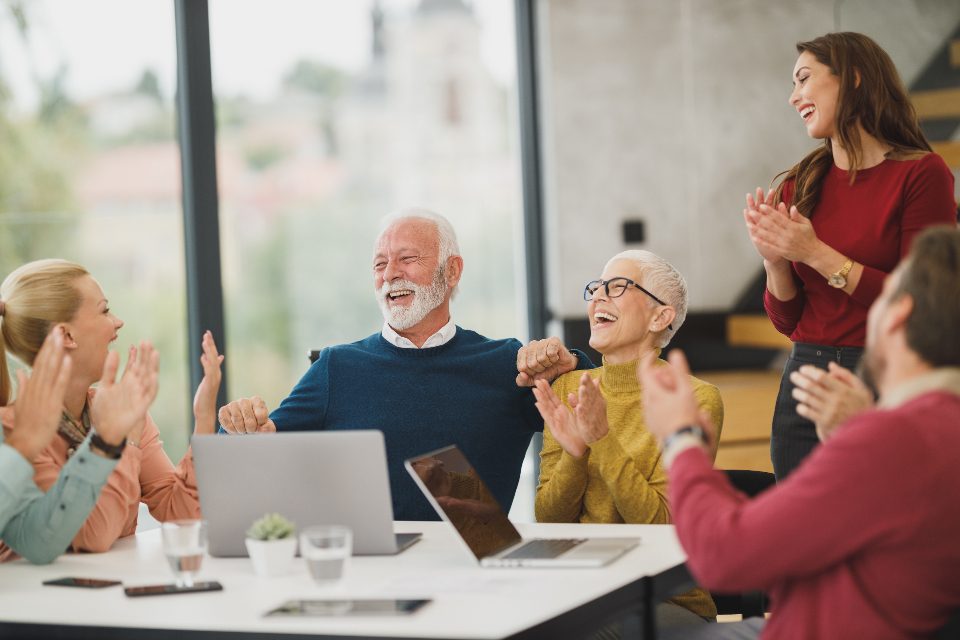
The group began simply: developers meeting in a pub to chat, swap problems and ideas. A project manager on the organising team brought structure with schedules and Trello. Members like Jenny Wong helped secure official WordPress backing. Sponsorships and modest funds made it possible to hire venues and provide food, which helped attendance. At its peak the Meetup drew 30–40 people monthly and the organising team grew to handle speakers, logistics and welcoming newcomers.
What COVID did
The pandemic stopped in-person Meetups overnight. The organising team didn’t have the appetite, time or tech setup to pivot to virtual formats, and community involvement faded. On a personal level, Simon’s priorities shifted—he had a baby during lockdown and later spent social energy on family and a casual band. Attempts to hand the Meetup to new organisers had mixed success and over time the group shrank rather than sustaining pre-COVID numbers.
Returning and recent revival
In the past year some original organisers—including people from that first pub meeting—reassembled and restarted events. Simon attended a recent Meetup and found the tone and warmth still present, if at a smaller scale. Seeing familiar faces in person felt valuable. He’s now considering returning to speaking and helping rebuild those connections.
The communication and social-media problem
Before COVID, platforms like Twitter and Facebook served as a central town square for promotion and informal connection. Since then social media has fragmented: people are scattered across different platforms or have left them entirely, so there’s no single place to reach everyone quickly. This fragmentation makes the “in-between” communication—how people stay connected between events—harder. Email lists, Slack, Discord, LinkedIn and Meetup.com each reach parts of the audience, but none cover the whole community. Simon also notes his own reduced engagement on social platforms and uncertainty about where to reconnect people he used to know.
Why in-person still matters
Meetups are more than talks. They provide warmth, approachable atmosphere, spontaneous hallway conversations and easy introductions for newcomers. That active welcoming and informal troubleshooting are hard to reproduce online. For freelancers and small teams, the networking value—finding developers, project managers, quick help or collaborators—is especially important and often happens through casual in-person interactions.
New challenges and cultural shifts
Leisure habits changed during COVID: remote work and streaming increased time spent alone online, reducing routine event attendance. Younger developers who joined during or after the pandemic may never have experienced Meetup culture and don’t automatically look for it. AI and better search tools mean people often get answers from machines rather than from humans on forums or in meetups, which reduces opportunities for recognition and relationship-building that used to come from public answers.
Ideas for rebuilding Meetups and events
- Broaden programming: include talks beyond WordPress technical topics—design, animation, soft skills, creativity—to attract a wider, cross-disciplinary crowd.
- Preserve a welcoming culture: organisers who actively greet newcomers and make introductions create the environment that motivates people to return.
- Mix formats: host smaller hybrid WordCamps, developer days, social evenings and live-music nights. Local creative elements can reconnect people who miss in-person gatherings.
- Use multiple channels intentionally: keep an email list, a clear social hub (even a Meetup.com page), and agree on where the community prefers to meet online.
- Accept different scales: physical events may be smaller than pre-COVID, but they can still be meaningful; success shouldn’t be judged solely by old attendance numbers.
WordCamps and scale
Large, multi-track WordCamps thrived before the pandemic, but it’s uncertain whether the same scale is realistic now. Events may need to be more modest or creative in format while preserving the social and learning value that made them worthwhile.
Attribution, learning and community value
Answering questions publicly used to create visibility and human connections. When AI supplies answers without visible authorship, the natural incentives for contribution and relationship-building weaken. Community contributions remain important for WordPress’s health: the project is built and improved by people, and local ties help its long-term success.
Where to find Simon
Simon is at illustrate.digital and is currently most reachable via LinkedIn. He welcomes suggestions about platforms or ways to reconnect the community.
Takeaway
The WordPress community was disrupted by COVID, life changes and shifting online habits. In-person gatherings continue to offer unique value—warmth, serendipity, introductions and mentoring—that’s hard to replace. Rebuilding will likely mean accepting a different scale, doing more intentional outreach, broadening event content to attract diverse interests and maintaining clear channels to stay connected between events. Small, welcoming Meetups and hybrid, creative event formats that blend tech with arts or social elements are practical ways to restore and reimagine local WordPress communities.
Written by
CodedEthique Staff