Inside the CloudFest Hackathon: Building the Open Web
Nathan Wrigley opens the Jukebox Podcast from WP Tavern with a first‑hand report from the CloudFest Hackathon, the three‑day event held before the main…
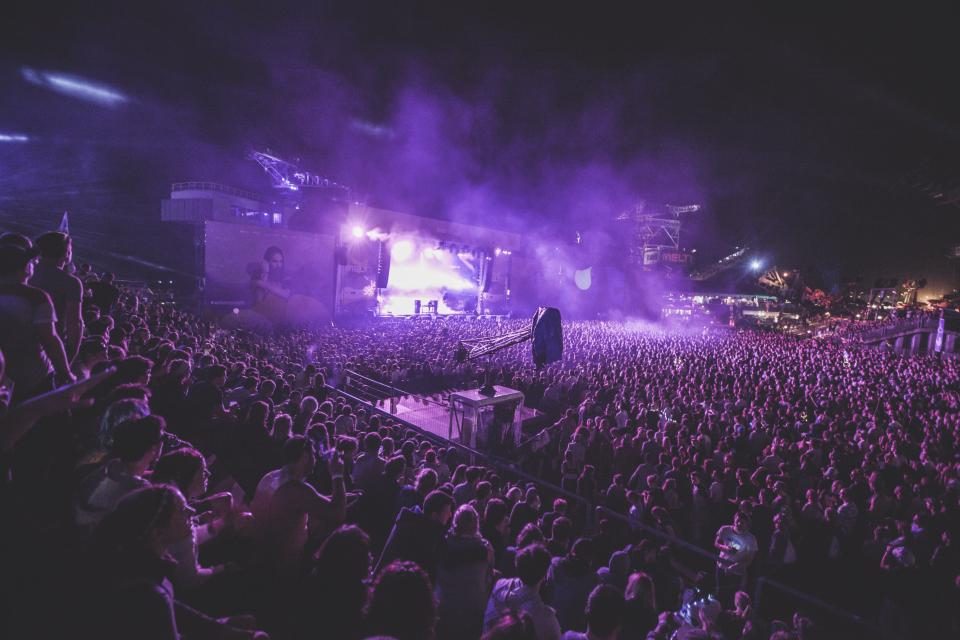
Nathan Wrigley opens the Jukebox Podcast from WP Tavern with a first‑hand report from the CloudFest Hackathon, the three‑day event held before the main CloudFest conference in Europa Park, Rust, Germany. Unlike vendor showcases, CloudFest’s hackathon is professional, non‑commercial, and focused on sustaining and improving the open web by bringing together developers, UX designers, system architects and other contributors to collaborate on open source projects.
Carole Olinger, who runs the hackathon, describes it as a concentrated meet‑up of open source enthusiasts who spend three days coding, designing and refining projects together. She leads a project support team that includes Lucas Ratke (Automattic), Alain Schlesser (Yoast), Thierry Muller (Google) and volunteer Simon Kraft (Group One), who helps with logistics and attendee care.
Planning for the event starts months in advance. Early discussions begin around September to set objectives and gather feedback; active preparations pick up in October and intensify through January. Organizers carefully select both projects and participants. This year they vetted 22 project pitches against CloudFest’s themes (including AI) and prioritized cross‑CMS collaboration so work could benefit WordPress, TYPO3, Joomla, Drupal and others.
Entry isn’t open to everyone: the hackathon receives roughly 300–400 applications for about 110 spots. Partners provide funded slots, leaving around 60 places for community contributors. Applicants list their skills during the application process and organizers match those skills to project needs. During the opening pitch session attendees choose projects, but staff actively monitor team balance and will reassign people if a group lacks key expertise, maximizing the chance each project will make progress.
Sustainability and follow‑up are growing priorities. Carole wants better publicity for hackathon outcomes and more resources so projects can continue after the three days. The aim is to help prototypes gain traction, support and longevity beyond the event itself.
There is also friendly competition. A nine‑person jury — composed of partner representatives, the Groundbreaker Talents charity initiative and the project support team — awards prizes across categories like Tech Visionary (technical achievement), Pitch Perfect (best presentation), Social Media Master (measured engagement) and Breaking Barriers (inclusive technologies and diverse collaboration). The overall winner is decided by accumulated points; sponsorship money for awards goes to the Groundbreaker Talents initiative.
Nathan reflects on why the hackathon matters: the cloud depends on countless open source projects and the people who maintain them. CloudFest Hackathon acts like a "human API," putting plugin maintainers, host engineers and other specialists in the same room so problems that might linger for months can be solved quickly through face‑to‑face collaboration. While prizes exist, the primary goal is contributing to free and open source software and strengthening interoperability and infrastructure.
Contributor highlights from the event:
- Javier Casares — CMS Cloud Manager: Working to configure CMS and server settings together rather than relying on one‑click installs, with a public interface and backend to provision CMS instances and related server configuration.
- Mattias Pfefferle — ActivityPub / Fediverse: Building federated events tooling as a decentralized alternative to proprietary platforms like meetup.com, filing interoperability bug reports and improving federation standards.
- Milana Cap — WP‑CLI + AI: Adding AI features to WP‑CLI to help development workflows in local environments; the team produced an MVP and tested AI behavior locally.
- Patricia BT — CMS Freedom: Using large language models to parse arbitrary HTML, detect structure and elements, and convert pages into WordPress block themes and content so extracted data can be imported into various CMSs.
- Nemanja Cimbaljevic — AI Accessibility Content Updater: A proof‑of‑concept that uses AI to suggest practical accessibility improvements for website content through trial and iteration.
- Anne‑Mieke Bovelett — Accessible Infographics: Creating a WordPress block to upload infographics and generate the descriptive metadata needed for accessibility, with plans for a cross‑CMS approach and bulk conversion tools.
- Wesley Stessens — Peer‑to‑peer Federated RAG Framework: Designing a decentralized Retrieval‑Augmented Generation network where niche knowledge libraries are published by peers and queries are routed to the best matching node to augment LLM responses without centralized servers.
- Tadas Pukas — WordPress Staging Environment Manager: An open source plugin to create staging environments and sync changes to live sites; the team focused on finishing touches and distribution.
The episode stresses that successful hackathons need a mix of talents — designers, communicators, project managers and coders. The energy of in‑person collaboration and the cross‑community mix produce outputs that strengthen the web’s infrastructure. CloudFest 2026 and the accompanying Hackathon will continue this tradition. For show notes and links, listeners are pointed to wptavern.com/podcast, and the podcast will return with more coverage from CloudFest and its hackathon.
Written by
CodedEthique Staff