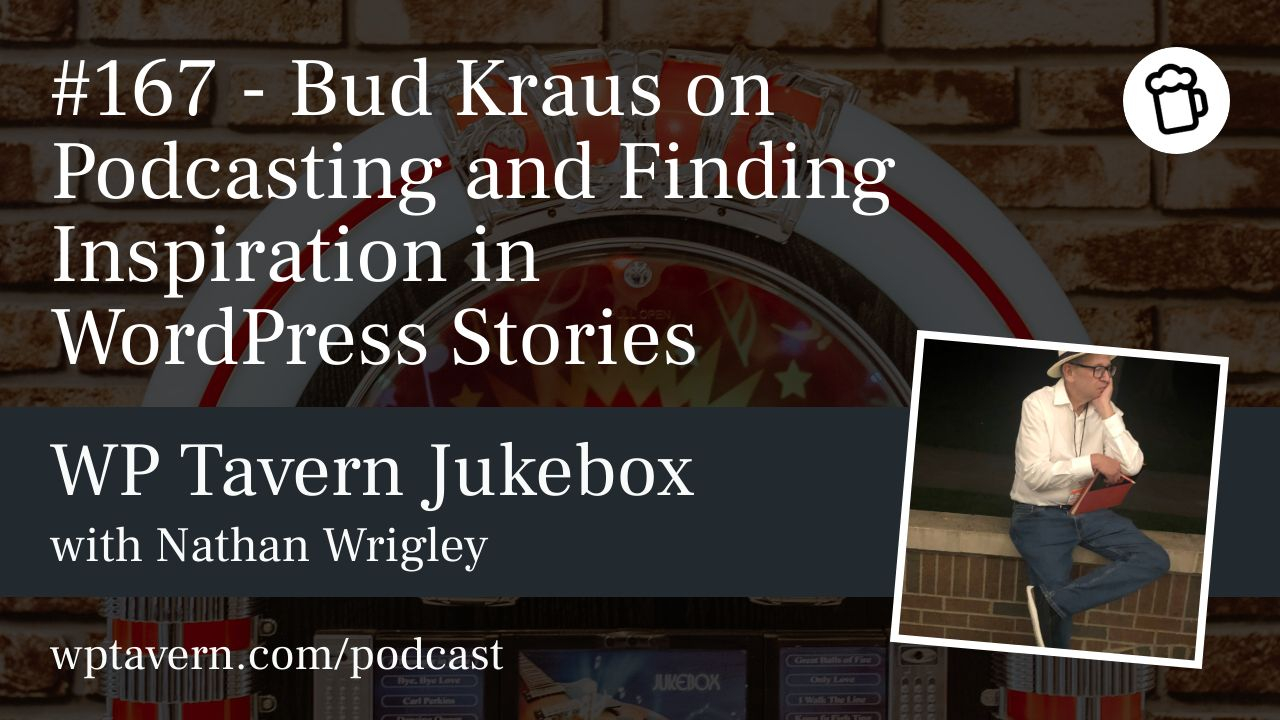

Bud Kraus is a WordPress content creator, teacher, and the host of the podcast Seriously, BUD? His path with WordPress began in 2009 when a client pushed him to learn the platform. He became hooked—child themes in particular—and soon moved from building websites to teaching WordPress at FIT and other places. Over time Bud transitioned away from client work and toward producing content—articles, videos, and podcasts—for WordPress companies and audiences. He now describes himself as a WordPress content creative, writing for outlets like Hostinger and Kinsta and running joyofwp.com and seriouslybud.com.
Why he chose content over client builds
Bud’s shift into content was gradual and opportunistic. Short projects—making a security video for InstaWP, writing for GoDaddy—revealed that WordPress writing could be paid work. He enjoys being his own client: setting his own topics, pacing, and creative rules. While he still helps a few people he likes, most of his energy is on producing content that fuels his own curiosity and reaches a broader audience.
How Seriously, BUD? started
The podcast idea came after WordCamp US 2023. Bud wanted conversations that dug into people’s lives and personalities rather than the usual plugin-and-code talk. What began as a concept called In Conversation With evolved into Seriously, BUD? His goal was simple: scratch an itch, create conversations for himself, and give guests space to tell personal stories. The first episode, with Marcus Burnette, appeared a few months later; Bud launched a weekly cadence, publishing new episodes every Friday at 8:00 a.m. ET.
Interview format and approach
Seriously, BUD? favors unscripted, conversational interviews over linear Q&A. Guests complete a detailed form beforehand; Bud uses it to spot interesting hooks—quirky facts or revealing details that can start a conversation. Preparation is light and flexible: rather than a rigid question list, Bud listens closely and follows the flow of the talk. He treats interviews like relaxed conversations, aiming for unexpected turns that reveal personality and biography more than technical credentials.
At the heart of his approach is listening. For Bud the most important interviewing skill is not the perfect prewritten question but the ability to hear an answer and pursue curiosity-driven follow-ups. He tends to favor older guests for the depth their experience brings, but he also enjoys interviewing lesser-known people because the combination of curiosity and unfamiliar backgrounds can create surprising episodes.
Editing and production philosophy
Bud sees editing as where the show becomes its best self. He records remotely with SquadCast and edits in Descript, using both timeline and text-based workflows. His edits are intentional: remove filler words, tighten pauses, and cut tangents that don’t serve listeners. While some podcasters prefer minimal edits, Bud shapes episodes to improve pacing and clarity—especially trimming his own rambling or side conversations that don’t add value.
Before publishing he runs audio through cleanup tools and hosts episodes on Buzzsprout. The editing phase is when he listens back with a producer’s ear and makes creative decisions: shorten gaps, remove repetitive warmup phrases (common when guests speak English as a second language), and shape a coherent narrative from a freewheeling conversation.
Tech stack and accessibility
Bud’s core tools are straightforward and accessible:
– Recording: SquadCast
– Editing: Descript
– Hosting/distribution: Buzzsprout
– Microphone: Shure MV7 (sponsored in his case)
He emphasizes that podcasting has a low barrier to entry. Phones or inexpensive microphones are often enough to start. WordPress is a natural home for a podcast website, but Bud launched episodes before building a dedicated site. The portability of podcasts—listeners can consume episodes while doing other things—keeps the format valuable for long-form, conversational content.
Guests, language, and reach
Bud has interviewed a wide range of people from the WordPress community. He often finds better conversations with guests he doesn’t already know because the host’s genuine curiosity drives deeper questions. He is mindful of language differences, allowing room for non-native English speakers and using editing to polish the final audio. Notably, the most-famous guests don’t always bring the most plays; sometimes episodes with lesser-known guests perform unexpectedly well because of local sharing or strong niche interest.
Monetization and sustainability
At first Bud didn’t focus on sponsors or audience size, but as the show matured he became realistic about growth and sustainability. Podcasting is now central to his identity and work, and he plans to continue as long as it remains enjoyable and financially viable. He’s also exploring related products—a forthcoming ebook titled Questions I Wish I Had Asked and a blog that will extend the show’s stories.
Advice for aspiring podcasters
– Prioritize listening and curiosity over rigid scripts.
– Use accessible tools; remote recorders and modern editors simplify production.
– Don’t be afraid to edit; purposeful edits improve the listener experience.
– A simple WordPress site and a distribution service like Buzzsprout are enough to reach listeners.
– Start small, publish regularly, and let the format evolve naturally.
Where to find Bud and Seriously, BUD?
– Podcast and episodes: seriouslybud.com
– Show notes and interview links: wptavern.com/podcast
– Bud’s other site: joyofwp.com
Seriously, BUD? aims to reveal the human stories behind WordPress contributors through candid, unscripted conversations shaped in post-production. Bud’s mix of conversational interviewing, thoughtful editing, and a modest tech stack shows how a clear creative intent can produce compelling, human-focused audio that resonates with listeners.