
Overview
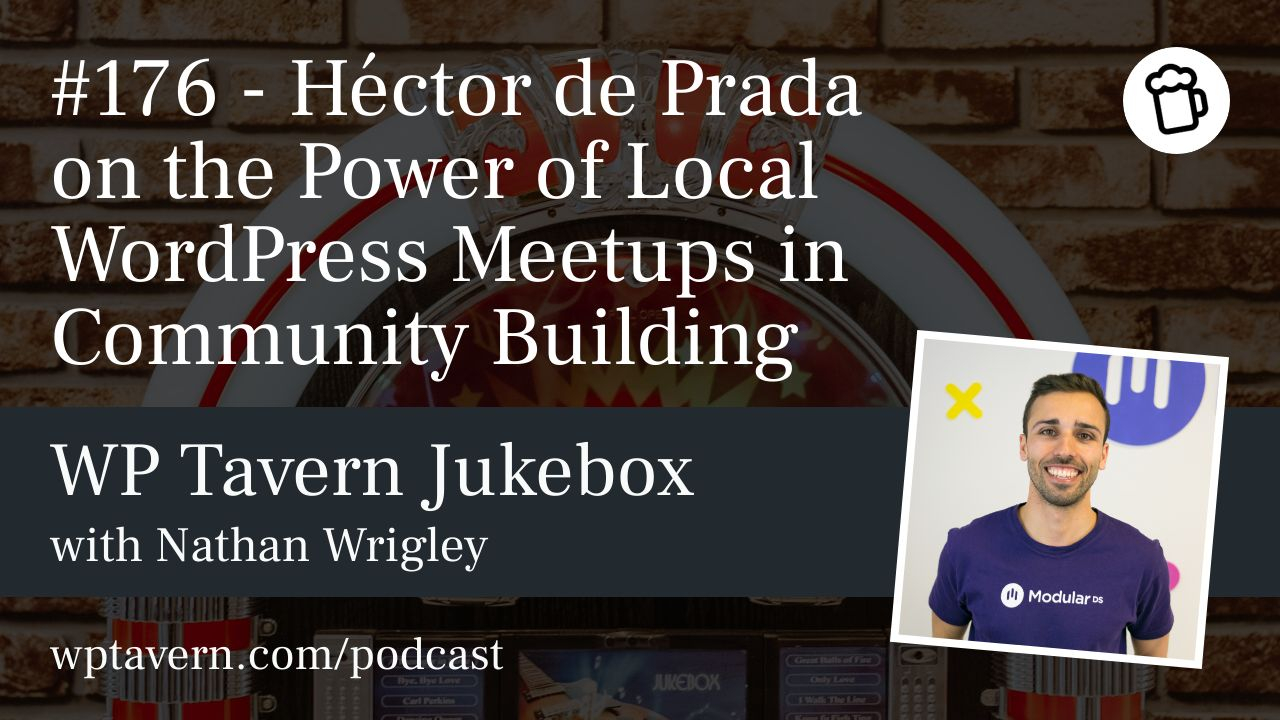
At WordCamp Europe in Basel, Nathan Wrigley spoke with Héctor de Prada about relaunching the León WordPress Meetup and how local gatherings can strengthen a regional tech ecosystem. Héctor is founder of Modular DS, a long-time WordPress developer and community contributor, author of a Spanish ecosystem newsletter, and a co-organiser of the León Meetup.
Why run a Meetup
Héctor cites two main motivations. First, he wanted the same connections, learning and inspiration he experienced at other WordCamps and Meetups to exist in his own city. Second, León is relatively small and many young people leave for bigger cities. A Meetup became a practical way to build opportunities locally and help retain talent.
History and scale
The group existed before COVID but paused for roughly three years. About 18 months ago Héctor and colleagues revived it. They now run about six to eight events annually, skipping summer and holiday months. Typical attendance averages around 60 people, with events ranging from roughly 50 to 75 attendees, larger than many regional Meetups.
How they attract people
They use a mix of channels to reach different audiences:
– Meetup.com for event listings and notifications to subscribers.
– Social media, mainly Twitter and Instagram, to share details and updates.
– Physical flyers at the university and civic tech hubs to reach students and local workers.
– A broad topic mix that includes technical talks, digital business stories, and industry-specific sessions to appeal to both specialists and newcomers.
Venues and formats
Venues rotate between city hall, university rooms, government buildings and private companies. This flexibility spreads visibility across the city and lets different parts of the ecosystem host. Formats vary too: traditional talks, panel forums, interview-style sessions and networking evenings. One successful example was a forum with three gastronomy businesses discussing digital transformation and WooCommerce, which connected WordPress topics to a real-world vertical and drew people who might not otherwise attend.
Team structure and workflow
The core organising team is six people. Responsibilities are split — social media, sponsors, venue logistics, design, speaker coordination and networking/catering — and roles rotate so no one person is responsible for every event or the same task repeatedly. This rotation preserves volunteer energy and ensures coverage when someone is unavailable.
Speaker support and programming
Preparation is tailored to each speaker. Experienced presenters need little help; conversational formats receive pre-shared questions to guide the discussion. Mixing technical and non-technical content keeps regulars engaged while lowering the barrier for newcomers. Héctor stresses that WordPress should be a bridge rather than a box, enabling conversations across design, marketing, e-commerce and other fields.
Finances and sponsorship
Costs are modest and mostly cover catering and occasional printed materials. Typical funding comes from two sponsors per event: a local company and a WordPress-related organisation (often hosting providers). Sponsors usually reimburse catering invoices or cover costs directly, and often donate swag or raffle prizes. Venues have so far been provided free of charge.
Community benefits
Meetups serve as real networking hubs where students, freelancers, agency owners and entrepreneurs connect. Héctor highlights concrete outcomes such as job opportunities, collaborations and referrals that arise from casual conversations. He encourages newcomers to attend even if nervous; small initial talks in networking areas often lead to bigger connections.
Support for organisers
The team used WordPress Slack (Spanish channels) and WordCamp contributor days to get practical advice from experienced community members. Héctor recommends that new organisers:
– Attend other Meetups or WordCamps to learn from established organisers.
– Use Slack channels for troubleshooting and practical questions.
– Be transparent with sponsors about what costs they will cover.
Operational cadence and tone
The organisers meet roughly monthly: one meeting to plan the upcoming Meetup and the next to review the last event. Major coordination is handled in a one-hour meeting; day-to-day tasks are tracked in a WhatsApp group (venue booking, speaker confirmations, flyer and design status, etc.). The group cultivates a friendly, casual atmosphere so attendees feel welcome and comfortable asking questions or networking. Inclusion is deliberate — events are designed to be accessible for WordPress experts and people from adjacent fields alike.
Practical advice for starters
Héctor sums up actionable guidance:
– Connect with the wider WordPress community and local organisers before launching.
– Rotate responsibilities to prevent burnout and preserve continuity.
– Vary formats to keep programming fresh and attract diverse audiences.
– Focus on accessibility and networking opportunities, since much of the value comes from connections made after talks.
Contact and invitation
The Meetup takes place in León, northern Spain. Héctor and the team are open to helping anyone who wants to start or revive a Meetup and are willing to share their experience and advice.
This interview offers practical, proven tips for organising sustainable local Meetups: how to grow attendance, secure sponsors and venues, support speakers, and use community resources to build a welcoming, useful local tech ecosystem.